

Home » The Role of Drones in HSE: Enhancing Safety Inspections and Emergency Response
The Role of Drones in HSE: Enhancing Safety Inspections and Emergency Response
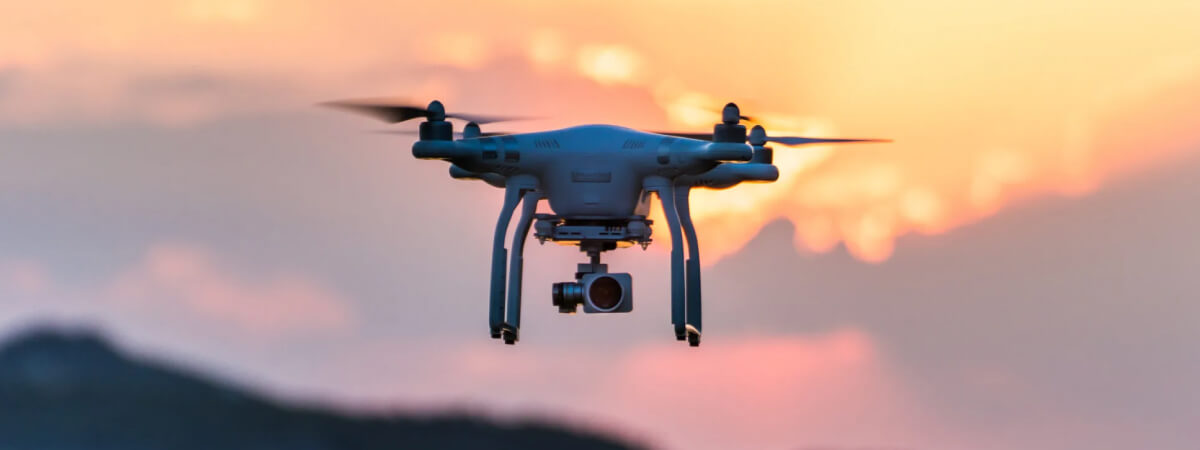
Workplace safety is evolving rapidly, and technology is playing a critical role in reducing risks and improving efficiency. One of the most transformative advancements in Health, Safety, and Environment (HSE) is the use of drones. Also known as unmanned aerial vehicles (UAVs), drones are revolutionising how businesses conduct safety inspections, monitor hazardous areas, and respond to emergencies.
For South African industries such as mining, construction, agriculture, and manufacturing, drones offer a cost-effective and safer alternative to traditional inspection methods. This article explores how drones are being utilised to enhance workplace safety and how companies can integrate them into their HSE strategies.
How Drones Are Improving Workplace Safety
Conducting Safer and More Efficient Safety Inspections
Traditional safety inspections often require workers to enter dangerous environments, such as high structures, confined spaces, or chemically hazardous areas. Drones eliminate the need for direct human exposure by capturing high-resolution images and videos of these areas remotely. Thermal imaging cameras on drones can detect overheating equipment, structural weaknesses, or gas leaks before they become critical hazards.
Example: A South African mining company reduced inspection-related injuries by 60% after implementing drones for shaft inspections, allowing engineers to assess conditions remotely instead of physically entering the tunnels.
Enhancing Emergency Response and Disaster Management
Drones provide real-time aerial views of emergencies, helping safety teams assess situations quickly and deploy resources efficiently. In fire outbreaks or chemical spills, drones equipped with thermal sensors can locate heat sources and identify hazardous areas without risking human lives. During natural disasters such as floods or earthquakes, drones can be used to locate trapped individuals and guide rescue teams.
Example: In 2023, emergency response teams in South Africa used drones to monitor a wildfire in the Western Cape, helping firefighters map the fire’s spread and direct containment efforts.
Improving Compliance and Risk Assessments
South African safety regulations require regular workplace inspections and compliance reporting. Drones provide accurate, up-to-date data that can be used for compliance documentation and risk assessment reports. Businesses can use drone footage as evidence of safe working conditions or to identify areas needing improvement.
Example: A construction firm in Johannesburg used drones to inspect scaffolding and machinery daily, ensuring compliance with OHS standards and reducing the risk of falls.
Case Studies: Successful Drone Integration in HSE
Case Study 1: Mining Industry
Challenge: Mines in South Africa face high risks due to unstable ground, gas exposure, and deep excavation sites.
Solution: A large mining company implemented drones to conduct daily tunnel stability checks and gas leak detection.
Outcome: The company saw a 45% decrease in safety-related incidents and improved regulatory compliance by using drone-generated safety reports.
Case Study 2: Construction Industry
Challenge: High-rise construction sites pose risks such as falls, equipment failure, and structural weaknesses.
Solution: A construction firm used drones for regular site inspections and worker safety monitoring.
Outcome: The company reported a 30% reduction in scaffolding-related injuries and a faster turnaround for hazard identification.
The Benefits of Drone Technology in HSE
✅ Reduced Human Exposure to Hazards – Inspections can be done remotely, minimising risks for workers.
✅ Improved Efficiency – Drones cover large areas in a fraction of the time compared to manual inspections.
✅ Cost Savings – Reducing the need for scaffolding, cherry pickers, and on-site safety personnel lowers operational costs.
✅ Accurate Data Collection – High-definition cameras and AI-powered analytics provide detailed insights for risk assessments.
✅ Faster Emergency Response – Real-time aerial footage enables quicker decision-making during crises.
Implementing Drone Technology in Workplace Safety
As drone technology continues to advance, businesses can explore various ways to integrate drones into their safety procedures. Companies can either invest in their own drone fleets or collaborate with licensed drone operators who specialise in workplace safety inspections. Some key steps to consider when adopting drones in HSE include:
Training and Certification – Ensuring employees are trained and certified to operate drones safely and within South African aviation regulations.
Regulatory Compliance – Adhering to industry-specific safety laws and guidelines for drone use in the workplace.
Data Analysis and Integration – Using drone-captured data to enhance safety decision-making and predictive risk assessments.
With proper implementation, drones can significantly reduce workplace hazards, improve compliance, and create a safer working environment across various industries.
